
JILI77 In Between Card Game: Rules, Steps and Odds
In the in between card game you see two cards, then bet that a third card ranks strictly between them.
| Fact | Value |
|---|---|
| Step 1 | Put in your ante |
| Step 2 | Read the two outer cards |
| Step 3 | Decide to bet or pass |
| Step 4 | Set your stake |
| Step 5 | Watch the third card |
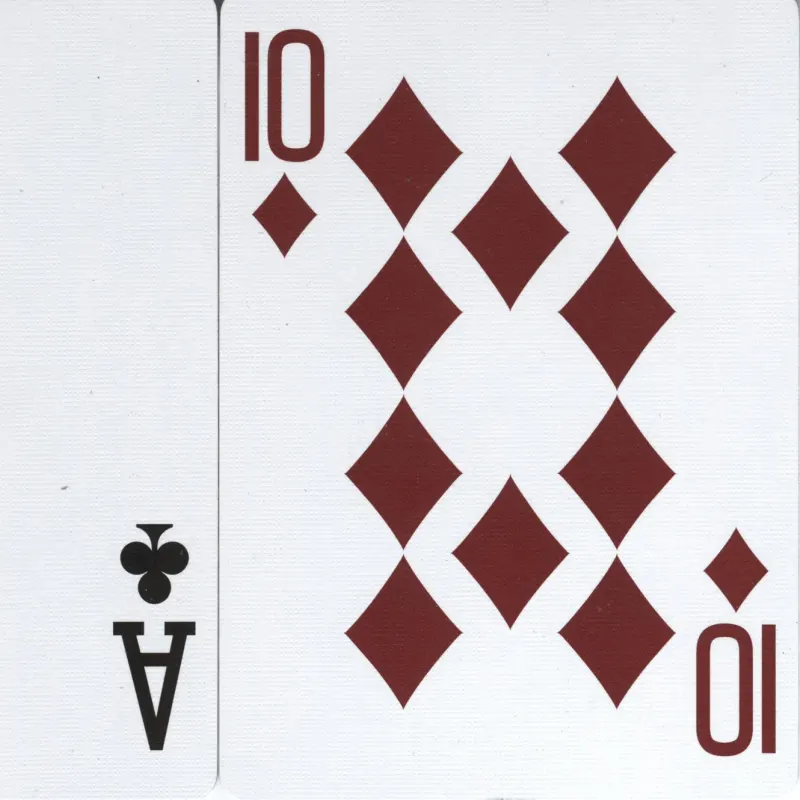
The in between card game is simple to learn and easy to misjudge: two cards are on the table and you bet that a third card falls strictly between them. It sits in the family of baraha games for card players that Filipino players meet in a lobby’s card section, and unlike most of them it turns on one count you can make before you stake a peso. The chance of winning comes straight from a 52-card deck, so this page shows the arithmetic instead of asking you to trust a rule of thumb.
How to play the in between card game
A round has the same five moves at every table, though the stake limits differ. Follow them in order and you will never be surprised by the sequence.
- Put in your ante. Every player adds the table’s ante to the pot before any card is dealt.
- Read the two outer cards. Two cards are dealt face up, and you count the ranks that sit strictly between them.
- Decide to bet or pass. Compare your spread with the probability table further down this page.
- Set your stake. Choose an amount inside the limit the table allows.
- Watch the third card. A rank strictly between the outer two wins your stake, and anything else loses it.
Suits play no part. Only the rank of each card matters, which is why the maths stays clean. Open the rules screen of the table you play for its ante, stake limit and pot rules, because those vary by table and this page does not state them.
Card order and the ace in in between
Ranks run from 2 up to King with the Ace counted low in the tables here. That gives thirteen ranks and a widest possible spread of eleven ranks between, which is Ace and King.
| Rank | Position |
|---|---|
| Ace | 1 |
| 2 to 10 | Face value |
| Jack | 11 |
| Queen | 12 |
| King | 13 |
A table that lets you call the Ace high changes which spreads you can reach, so check that before you apply the numbers below. The number of ranks strictly between two cards is their difference in position minus one. Jack and 4 sit seven positions apart, which leaves six ranks between them: 5, 6, 7, 8, 9 and 10.
The probability that the third card lands between
Two cards are already out, so 50 cards remain. Each rank holds four cards and none of the ranks between your outer cards has been drawn, so every rank between adds four winning cards. The chance of winning is the number of ranks between times four, divided by 50.
| Ranks between | Winning cards of 50 | Chance to win |
|---|---|---|
| 0 | 0 | 0 percent |
| 1 | 4 | 8 percent |
| 2 | 8 | 16 percent |
| 3 | 12 | 24 percent |
| 4 | 16 | 32 percent |
| 5 | 20 | 40 percent |
| 6 | 24 | 48 percent |
| 7 | 28 | 56 percent |
| 8 | 32 | 64 percent |
| 9 | 36 | 72 percent |
| 10 | 40 | 80 percent |
| 11 | 44 | 88 percent |
The break-even point sits between six and seven ranks. Six ranks win 48 times in 100, which is under half, while seven ranks win 56 times in 100. A stake at an even-money pot only pays over time on a spread of seven or more.
Worked example: jack and four
You see a Jack and a 4. Positions 11 and 4 differ by 7, so six ranks sit between them. Six ranks times four cards gives 24 winning cards out of 50, and 24 divided by 50 is 48 percent.
That is a pass at an even-money pot. If the 4 had been a 3, seven ranks would sit between, the count would rise to 28 of 50, and the chance would be 56 percent, which is a bet. One rank of difference moves you from a losing bet to a winning one, which is the whole skill of the game.
How often each spread is dealt
Spreads are not equally common. Two cards of different ranks can be drawn in 52 times 51, which is 2,652, ordered ways. For a difference of d positions there are 2 times (13 minus d) times 16 ordered pairs, because each of the two ranks holds four cards.
| Ranks between | Share of deals | Chance to win |
|---|---|---|
| 0 | 14.48 percent | 0 percent |
| 3 | 10.86 percent | 24 percent |
| 6 | 7.24 percent | 48 percent |
| 8 | 4.83 percent | 64 percent |
| 11 | 1.21 percent | 88 percent |
A pair arrives 156 times in 2,652 deals, which is 5.88 percent, and it can never win. Add every spread weighted by its share and betting on every deal wins 27.6 percent of the time. Spreads of seven or more together make up 18.1 percent of deals, so you pass on more than four deals in five.
Pairs, adjacent cards and table variants
Three deals can never win, and a fourth variant is worth knowing before you sit down.
- A pair has zero ranks between, so pass.
- Adjacent ranks such as 8 and 9 have zero ranks between, so pass.
- A spread of one to three ranks wins 8 to 24 percent of the time, so pass unless the table’s stake rules say otherwise.
- Some tables charge extra when the third card matches an outer card. Read the table’s rules screen for how it treats a match.
The same habit of counting outcomes before you stake applies across dice tables, which is why the three-dice color game dice odds page counts its 216 outcomes the same way. If you want to move from this game to a hand-ranking game, the Pusoy card ranking order shows how five-card hands compare.
FAQ
What is the in between card game?
It is a pot game where two cards are dealt face up and you bet that a third card ranks strictly between them. Suits never matter, only rank. It is a popular item in the wider family of baraha games.
What are the odds of winning in between?
They depend on the spread. With seven ranks between the outer cards you hold 28 winning cards out of 50, which is 56 percent. With one rank between you hold 4 out of 50, which is 8 percent.
Does the ace count high or low?
The table in this page counts the Ace low, so Ace to King gives the widest spread of eleven ranks between. Some tables let you call the Ace high before you bet. Check the rules screen of the table you open.
What happens when the first two cards match?
A pair has no rank between its cards, so the third card cannot land between them and the bet cannot win. Pass on a pair. Some tables treat a pair as a special case, so read the table's own rules.
Is there a way to beat in between?
No staking pattern changes the chance of a single deal. You can only choose which deals to bet on, and the table shows that spreads of seven or more ranks are the only ones that win more often than they lose.
Related guides
| Guide | What it covers |
|---|---|
| JILI77 Color Game Casino | color game casino |
| JILI77 Color Game Dice Board | color game dice |
| JILI77 Dragon Tiger Odds | dragon tiger odds |
| JILI77 Pusoy Card Ranking | pusoy card ranking |
| JILI77 Pusoy Go | pusoy go |
| JILI77 Sic Bo Payout | sic bo payout |
| JILI77 Tongits Go | tongits go |